

Fandom Life-cycle at a Glance
- Discovery: That first spark that makes you curious.
- Engagement: Learning the lore and finding your tribe.
- Participation: Sharing, posting, and joining events.
- Expression: Showing your fandom through collecting, cosplay, and personal touches.
- Devotion: Long-term love, nostalgia, collecting, and passing it on.
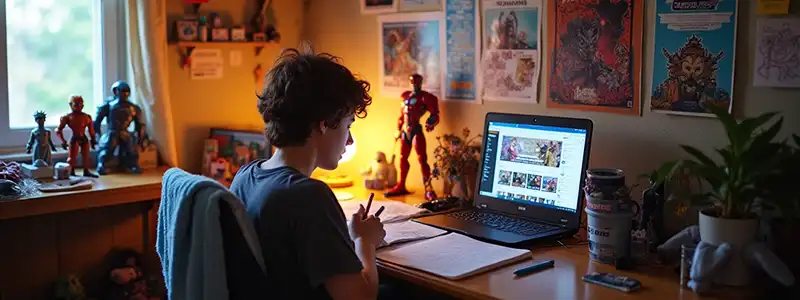
At first, it feels small. Interesting, fun. Something clicks, even if you cannot explain why. Then suddenly, weeks later, you are scouring Youtube, deep in lore videos, quoting lines out loud, and rearranging your desk to make space for something that feels oddly important.
That is fandom.
Fandom is not a switch you flip. It is a journey. An emotional progression that turns stories into landmarks and fictional worlds into places that feel familiar. Over time, fandoms shape identity, friendships, creativity, and even the objects people surround themselves with.
Did you know? Over 70% of internet users engage with some form of fandom content, from fan art to Reddit discussions. That’s like a digital army of geeks, all sharing theories, memes, and hidden lore! Global fandom stats – Statista
Fandom isn’t just western cartoons and games. In anime fandoms, a single clip shared on TikTok can launch someone from curiosity to full engagement in days. K-pop fans bond over dance covers and fan translations. Even tabletop RPG players create entire worlds together, showing fandom comes in all flavors and styles
This is an exploration of the fandom life-cycle, from that first light of discovery to long-term devotion. Whether you’re celebrating your own fandom or looking for the perfect gift for a fellow fan, our Geek Gift Guide is packed with ideas to make every passion shine
Stage One: Discovery
"This speaks to me"
Every fandom begins with exposure. A trailer catches your eye. A character feels relatable. A world feels inviting. Discovery is often accidental, but the emotional hook is immediate. Something resonates, even if the reason is unclear. In fact, studies show that most fans first engage through social recommendations or social media, highlighting the importance of easy entry points.
At this stage, fans are observers. They watch, read, or play without commitment. Curiosity leads the way. The brain lights up with novelty and imagination, and the door opens. Research shows that curiosity is a powerful motivator for media engagement, increasing attention and emotional investment.
Common discovery behaviours include:
• Watching or reading more than planned
• Searching character names or timelines
• Looking up fan art or explanations
• Quietly saving quotes or screenshots
Emotionally, discovery feels safe. There is no pressure to belong yet. The fan is testing the waters, letting the story do its work.
This stage matters because it sets the emotional tone. Stories that offer wonder, comfort, or meaning invite people forward. Stories that feel hollow fade quickly.
For creators and fandom spaces, discovery thrives on accessibility. Clear entry points. Friendly explanations. Ideas and symbols that hint rather than shout.
Fun fact: Fan wikis, Tumblr pages, and Discord servers are like secret portals where new fans can peek behind the curtain and start exploring the lore safely before stepping into the bigger world.
Discovery isn’t just online. Local comic book stores, library events, or game nights are secret portals too. You can peek at new stories, meet other fans, and find your first crew before even logging in.
This is the moment a fan begins to lean in.
Stage Two: Engagement
"I want more"
Engagement is where interest deepens. The fan starts learning names, rules, lore, and timelines. Suddenly the story has structure, and understanding it feels rewarding. Fans begin to navigate the world more confidently, often aligning themselves with groups or identities within the fandom.
At this point, fans begin to self-label.
" I am into this."
" This is my thing."
Engagement often shows up through:
• Rewatching or replaying favourite moments
• Following creators, actors, or studios
• Reading theories and breakdowns
• Joining forums or comment sections
Psychologically, this stage satisfies a powerful need. Competence. Knowing things feels good. Understanding references feels even better.
Inside jokes start landing. Quotes start sticking. The fandom begins to feel familiar.
Engagement is also where fans start recognising each other. Subtle signals appear. A wallpaper. A reference in a bio. A quiet nod across the internet.
Did you know? About 60% of fans read theories or breakdown videos about their fandom regularly, turning YouTube into a giant lore dungeon! Source: Statista, Global Fandom Engagement.
Engagement isn’t always smooth. Fans sometimes argue over interpretations, ships, or story details. Even in the most welcoming communities, these debates happen, but learning to navigate them is part of the fandom adventure.
Belonging has not fully formed yet, but the foundation is there.
Stage Three: Participation
"I belong here"
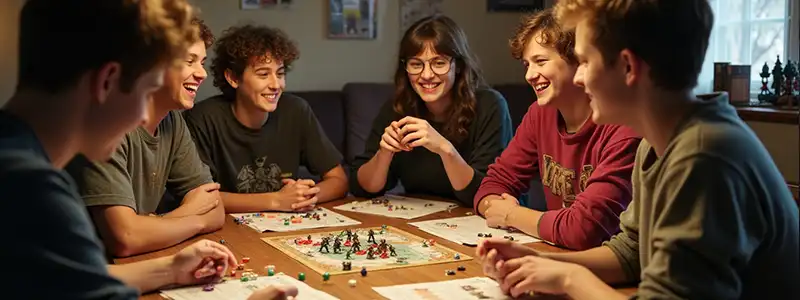
Being part of a fandom means joining in. Instead of just watching, fans start taking part. They share thoughts, make posts, and show up to events. They share.
Participation can look like:
• Posting theories or reactions
• Sharing memes or edits
• Attending conventions, game nights or cosplay events
• Gifting fandom items to friends
This is where a community starts to grow. People make shared habits. New words and jokes appear. Fans meet others who get their excitement without needing it explained.
This is also when being a fan becomes something you share with others. It is no longer something you enjoy alone. It becomes something you experience together.
Joining in feels powerful because it helps people feel like they belong. They feel noticed. They feel understood. They feel welcome.
Many fans say this is when they find "their people." The story brings people together, helping strangers connect through the same love for something.
Objects start to matter more here. A mug can start a conversation. A shirt helps others recognise you. A poster becomes a quiet signal to fellow fans.
Local meetups, cosplay workshops, or tabletop game nights are where participation really shines. They turn digital friendships into real-life squads ready to geek out together.
Participation turns fandom into a living thing.
Stage Four: Expression
"This is part of who I am"
Expression is where fandom becomes visible.
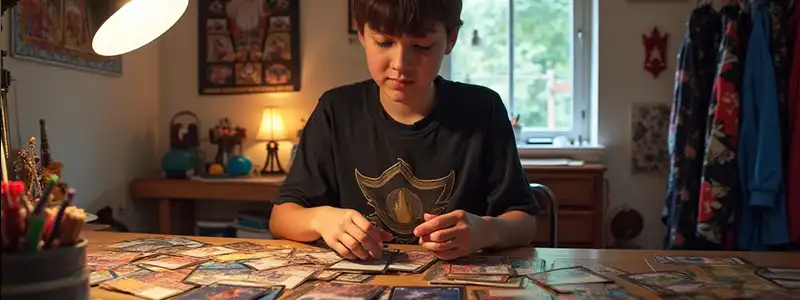
At this point, fans use creative outlets to show who they are. They decorate their rooms, pick clothes, and arrange their desks in ways that quietly display what they care about.
Fans in the Magic: The Gathering community, for example, make custom cards, fan stories, fan art, character designs, and cosplay inspired by MTG’s characters and worlds, showing how players don’t just play the game, they live it and share it with others.
Expression can include:
• Clothing and accessories
• Home decor and desk setups
• Fan art, writing, music, or cosplay
• Carefully chosen everyday items
The key shift here is symbolism. A mug becomes more than a mug. A print becomes more than wall art.
These items stand for connection, memories, and meaning. They remind fans of stories that helped shape how they think and imagine.
This helps explain why physical items feel so important in fandom. They give feelings a place to live. They bring made-up worlds into real spaces.
Sharing fandom also gives fans choice. They decide how big or quiet their love looks. Some like to show it loudly. Others enjoy small details that feel special to them.
Both ways matter. Both have strength.
This is the stage where fandom and creativity often come together. Fans change stories into new ideas. They build things. They design things. They shape the fandom in their own way.
Expressing yourself in fandoms isn’t just fun, it also helps you learn new skills. Writing fan stories helps you get better at telling stories. Making costumes (cosplay) teaches you how to design and sew. Running fan groups online can help you become a leader.
Being part of a fandom is like a secret school where you can learn real-life superpowers.
Expression turns appreciation into ownership.
Stage Five: Devotion
"This shaped me"
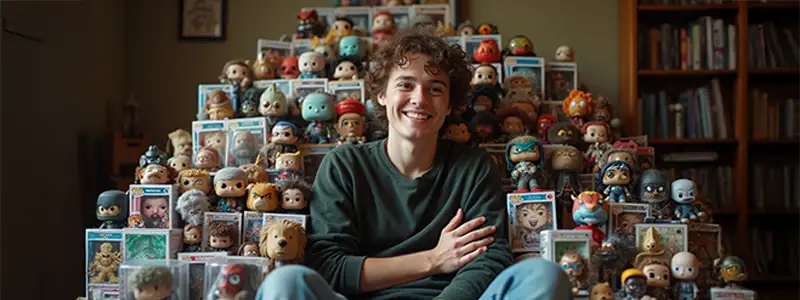
Devotion means caring about something for a long time. New stories come out, life changes, but the fandom stays. Fans who are devoted keep it close to them.
They go back to it when they’re feeling down, remember happy times, and share it with friends, family, or even their kids. Scientists have found that feeling nostalgic, remembering happy memories, makes people feel more attached to their fandoms.
Devotion often includes:
• Collecting meaningful items
• Preserving older editions or designs
• Reflecting on how the fandom influenced life choices
• Passing stories forward
Feeling nostalgic makes us more attached to our fandoms. In fact, nostalgia increases both emotional connection and willingness to invest in collectibles or experiences.
This stage is quieter but feels deeper. The fandom becomes part of someone’s own story.
This helps explain why reboots feel emotional. Why endings hurt. Why certain ideas still feel important many years later.
The fandom becomes something fans look back to. A source of comfort. A reminder of who they were before and who they grew into.
At this point, fans care more about meaning than newness. The items they choose often hold memories. Special editions. Anniversary pieces. Symbols linked to important moments.
Devotion is about what gets carried forward.

Why the Fandom Lifecycle Matters
Understanding this journey helps explain why fans do what they do. Millions of people all over the world are part of fandoms, which shows how strong and lasting these communities can be. It also helps explain why some fandoms disappear quickly, while others stick around for many years.
It shows why fans care so much about getting details right and treating stories with respect.
It also shows why boring, copy-paste merch can feel empty.
Fans move through different stages based on feelings. Curiosity, belonging, expression, connection and memory.
When brands, creators, or communities understand this, things level up. Stories feel more intentional. Designs feel made with care. Gifts feel like they actually mean something.
Fandoms grow strongest when they are treated like living worlds, not passing hype. From anime in Japan to K-pop in Korea, and comic cons in Brazil to cosplay circles in India, fandoms span the globe. People everywhere share their stories, swap art, and make communities that feel like home.
Where Gifts and Objects Fit In
Gifting has a special role at every stage of fandom.
At the start, gifts help welcome new fans. They say, "I get what you love."
During the joining-in stage, gifts help fans feel like they belong. They start conversations and help people connect.
During expression, gifts help fans show who they are. During devotion, gifts hold memories and care. The best fandom gifts feel personal. They respect the story and understand what it means to the fan.
That’s why fans are drawn to designs that feel thoughtful and in tune with their feelings.
Items that speak the language of fandom become trusted companions over time. Some fans turn passion into careers. Selling prints, streaming gameplay, or creating fan merchandise can transform play into pay. Fandom isn’t just a hobby, it can be a springboard to real-world opportunities.
The Heart of Fandom
Fandoms aren’t just hobbies people stop liking. They are stories people grow up with.
They give comfort during tough times. They bring joy in normal moments. They connect people, even if they’re far apart or have different likes and dislikes.
Knowing how fandom works helps explain why fans care so much and why those connections matter.
From discovering a story to being devoted, fandom is an adventure worth celebrating.
And for anyone on that journey, the story never really ends.
From the very first moment of curiosity to a lifetime of devotion, fandom shows us that stories aren’t just something we consume, they’re something we live, share, and pass on. So grab your favorite mug, action figure, or game, and keep the adventure going, or check out our Geek Gift Guide for more ways to celebrate your fandom. Because in fandom, the next chapter is always just around the corner!